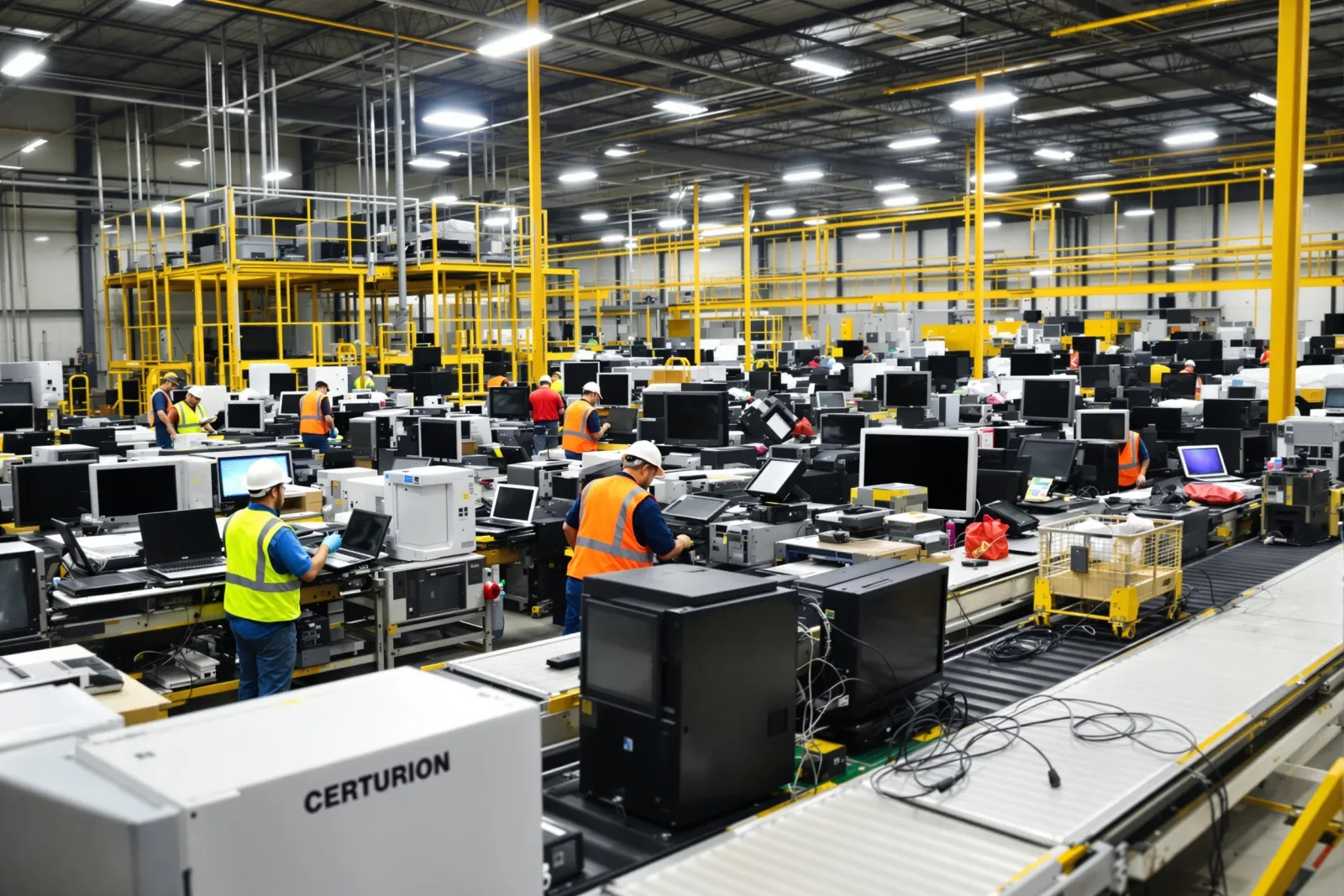
What Is E-Waste? Definitions, Types & California Laws
A comprehensive guide to electronic waste: what it is, the 10 main categories, why it matters for the environment, and the California laws that protect you. Plus how to recycle e-waste responsibly in Los Angeles.
What Is E-Waste?
E-waste (electronic waste) refers to any discarded electronic or electrical device, or any device with a battery, power cord, or plug. This includes everything from large household appliances like refrigerators to small handheld devices like smartphones.
The term covers items that have reached the end of their useful life — whether broken, obsolete, or simply unwanted. E-waste is the fastest-growing waste stream in the world, outpacing general municipal solid waste by nearly three times.
In California, the legal term is "covered electronic devices" (CEDs) — specifically referring to TVs, computer monitors, laptops, and other display devices covered under the state's recycling program. The broader category of electronic waste includes many more items.
The world generated 62 million metric tons of e-waste in 2024. Less than 18% was formally collected and recycled. The rest sits in landfills, incinerators, or is informally processed in developing countries — releasing toxic chemicals into the environment.
E-Waste Glossary: Key Terms
- Covered Electronic Device (CED)
- Under California SB 20, CEDs are TVs, computer monitors, laptops, and other display devices sold in California. Retailers must collect a recycling fee at point of sale, and consumers can return them for free recycling.
- CRT (Cathode Ray Tube)
- The large, heavy glass tube inside older televisions and monitors. CRTs contain 4–8 pounds of lead and are classified as hazardous waste. Specialized handling is required for safe recycling.
- WEEE (Waste Electrical and Electronic Equipment)
- The European Union directive that sets collection, recycling, and recovery targets for e-waste. WEEE categories form the basis of most international e-waste classification systems.
- Rare Earth Elements (REEs)
- A group of 17 metallic elements including neodymium, dysprosium, and lanthanum. They are essential for electronics manufacturing and are recovered during advanced e-waste recycling processes.
- E-Stewards Certification
- A voluntary certification program for e-waste recyclers that prohibits export to developing countries, requires maximum reuse, and bans prison labor. Considered the gold standard in ethical e-waste recycling.
- CalRecycle CEWD
- California Department of Resources Recycling and Recovery — the state agency that certifies e-waste collection sites and processors. A CEWD certification number (like CEWD-127531) proves a facility meets California's strict recycling standards.
Types of Electronic Waste
Electronic waste is classified into 10 broad categories based on the EU WEEE Directive — the standard used by recyclers worldwide. Understanding these types helps you know what can be recycled and what to expect at the facility.
Large Household Appliances
Examples: Refrigerators, washing machines, dryers, dishwashers, air conditioners, ovens
Materials: Steel, aluminum, copper, plastics, refrigerants, insulation foam
IT & Telecommunications Equipment
Examples: Computers, laptops, tablets, servers, routers, switches, printers, monitors
Materials: Precious metals (gold, silver), copper, rare earth elements, plastics
Consumer Electronics
Examples: Televisions, radios, cameras, video recorders, audio equipment, gaming consoles
Materials: Glass, plastics, copper, gold, cadmium, lead
Lighting Equipment
Examples: Fluorescent lamps, LED bulbs, high-intensity discharge lamps, compact fluorescents
Materials: Mercury, phosphor powders, glass, aluminum, plastics
Electronic Tools
Examples: Drills, saws, sewing machines, lawn equipment, welding equipment
Materials: Steel, copper, batteries, plastics, small motors
Toys, Leisure & Sports
Examples: Electric trains, video game consoles, sports equipment with electronics, calculators
Materials: Plastics, batteries, small circuit boards, LCD screens
Medical Devices
Examples: Patient monitors, dialysis machines, radiotherapy equipment, laboratory analyzers
Materials: Steel, precious metals, batteries, sensors, plastics
Monitoring & Control Equipment
Examples: Smoke detectors, thermostats, heating regulators, metering devices, scales
Materials: Circuit boards, batteries, sensors, plastics, lead-acid batteries
Batteries & Power Storage
Examples: Lithium-ion batteries, lead-acid batteries, nickel-cadmium, UPS units, EV batteries
Materials: Lithium, cobalt, nickel, lead, acid, cadmium, rare earths
Cables, Connectors & Accessories
Examples: USB cables, HDMI cables, power cords, chargers, adapters, extension cords
Materials: Copper, aluminum, PVC plastics, rubber, gold-plated connectors
E-Waste Laws in California
California leads the nation in e-waste regulation with some of the most comprehensive laws in the United States. Here's what residents and businesses need to know.
SB 20 — The Electronic Waste Recycling Act of 2003
California's landmark e-waste law requires retailers to collect an Advanced Recycling Fee (ARF) when selling covered electronic devices (CEDs). That fee funds a statewide network of free collection and recycling centers.
What it covers: Televisions, computer monitors, laptops, portable DVD players, and other display devices.
What it means for you: When you buy a TV or laptop in California, you already paid for its end-of-life recycling. You can drop it off at any CalRecycle-certified facility — like Greenly — at no additional cost.
Illegal Disposal of Electronics
Under California law, it is illegal to dispose of covered electronic devices (TVs, monitors, laptops) in regular trash or landfill. These items contain hazardous materials that require specialized handling.
Penalties: Violators can face fines under California's hazardous waste regulations. Businesses disposing of electronics improperly risk significant EPA and CalRecycle penalties.
How to comply: Always use a certified e-waste recycler. Greenly is CalRecycle certified (CEWD-127531) and accepts drop-offs with no appointment at either LA location.
Right to Repair & Extended Producer Responsibility
California passed the Right to Repair Act (SB 244) in 2023, requiring manufacturers to make repair documentation, parts, and software available to consumers and independent repair shops.
This extends the usable life of electronics, directly reducing e-waste generation. The law applies to smartphones, laptops, and other consumer electronics sold after July 2024.
The bigger picture: Extended Producer Responsibility (EPR) laws shift accountability from consumers to manufacturers, incentivizing longer-lasting, easier-to-recycle product design.
California vs. Federal E-Waste Regulation
| Aspect | California | Federal |
|---|---|---|
| E-waste landfill ban | Yes — CEDs prohibited in trash | No federal ban |
| Recycling fee at sale | Yes — ARF on TVs, monitors, laptops | No federal fee |
| Free drop-off for consumers | Yes — funded by ARF | No federal program |
| Producer responsibility | Growing — Right to Repair passed | Limited |
| Certification for recyclers | CalRecycle CEWD required | R2 / e-Stewards voluntary |
| Data privacy in recycling | CalRecycle requires chain of custody | HIPAA (healthcare only) |
The Environmental Impact of E-Waste
Improper disposal of electronic waste has devastating consequences for human health and the environment. Here is the data that drives responsible recycling.
Metric Tons of E-Waste Generated Globally in 2024
Percentage of E-Waste Formally Recycled Worldwide
Metric Tons of E-Waste Generated by the U.S. Annually
Value of Raw Materials Lost in Unrecycled E-Waste Each Year
Toxic Chemical Leaching
When electronics break down in landfills, toxic chemicals leach into soil and groundwater. Lead from CRT glass, mercury from switches, and cadmium from batteries contaminate drinking water sources. A single cell phone battery can pollute 600,000 liters of water.
Air Pollution from Burning
Informal e-waste recycling in developing countries often involves open burning of circuit boards and wires. This releases dioxins, furans, and heavy metal particles into the air — some of the most toxic chemicals known to science, linked to cancer and birth defects.
Loss of Precious Metals
One metric ton of circuit boards contains 200–400 grams of gold. A ton of gold ore from a mine typically contains 3–5 grams of gold. E-waste is literally richer in gold than gold mines. Throwing it away wastes an incredible resource.
Rare Earth Mining Destruction
Mining rare earth elements for new electronics produces radioactive waste, toxic sludge, and destroys habitats. Recycling e-waste recovers neodymium, dysprosium, and lanthanum — reducing the need for destructive new mining operations.
Climate Impact
Manufacturing a single laptop generates approximately 200 kg of CO2. Recycling electronics and recovering materials reduces the energy needed for new production by 70–90%. Recycling one million laptops saves energy equal to 3,500 U.S. homes per year.
Human Health Risks
Workers in informal e-waste recycling — often children in developing countries — are exposed to lead, mercury, cadmium, and flame retardants. These cause neurological damage, respiratory disease, reproductive harm, and increased cancer rates.
How to Recycle E-Waste in 6 Steps
Recycling electronics is straightforward when you use a certified facility. Here is the complete process from drop-off to material recovery.
Collection & Drop-Off
Bring your electronics to a CalRecycle-certified facility or schedule a free business pickup. Greenly accepts drop-offs at two LA locations with no appointment needed.
Sorting & Assessment
Items are sorted by type and material. Working devices are set aside for refurbishment. Non-working devices are prepared for responsible dismantling.
Data Destruction
Hard drives and storage devices are wiped to DoD 5220.22-M standards or physically shredded. You receive a Certificate of Data Destruction for your records.
Dismantling & Separation
Devices are manually and mechanically dismantled. Plastics, metals, glass, and circuit boards are separated using magnets, eddy currents, and water baths.
Material Recovery
Precious metals — gold, silver, copper, palladium, and rare earth elements — are recovered through specialized smelting and chemical processes.
Safe Disposal
Hazardous materials like leaded glass, mercury, and cadmium are disposed of according to EPA and CalRecycle regulations. Nothing goes to a landfill.
E-Waste FAQ
Answers to the most frequently asked questions about electronic waste, recycling laws, and environmental impact.
Related Resources & Guides
Explore more of our recycling guides and resources for Los Angeles residents and businesses.
TV Recycling Guide
How to recycle CRT, LCD, and LED televisions in Los Angeles. What CalRecycle requires and what to bring.
Computer Recycling Guide
Desktop and laptop recycling in LA. Data security, accepted models, and the recycling process.
Battery Recycling Guide
Lithium-ion, lead-acid, and UPS battery recycling. Safety tips and what Greenly accepts.
Hard Drive Destruction
Certified data destruction with Certificates of Destruction. HIPAA-compliant hard drive shredding.
Blog & Resources
E-waste recycling tips, community event guides, and in-depth articles for LA residents.
Corporate Sustainability
ESG-compliant recycling programs, Certificates of Destruction, and business documentation.
Items We Recycle & FAQ
Full list of accepted and not-accepted items. Answers to 20+ common recycling questions.
Ready to Recycle Your E-Waste?
Free drop-off at two Los Angeles locations. Free business pickup throughout LA County. CalRecycle certified and environmentally responsible.